A single question haunts every incident investigator: “Was everyone involved properly trained and certified in dangerous goods handling?” For logistics and supply chain managers, the answer dictates the difference between smooth operations and a full-scale catastrophe.
Mishandling everyday items like batteries, bleach, or perfumes can turn a routine shipment into an emergency. One error—a mislabeled package, inadequate packaging, or an untrained employee—can lead to toxic spills, injuries, massive fines, and irrevocable brand damage.
This definitive guide will enhance your expertise in packing and shipping hazardous goods, providing a framework to ensure operational safety, regulatory compliance, and the long-term security of your business.
Why Proper Dangerous Goods Handling is Non-Negotiable
Dangerous goods (DG) are not just boxes on a pallet; they are potential hazards that demand respect and expertise. In 2023 alone, over 270 chemical incidents were reported in the U.S.—many preventable with adequate training and oversight.
Proper dangerous goods shipping goes beyond checking compliance boxes. It builds a resilient, safety-first culture. When your team can instantly identify a UN specification package and respond correctly, you establish a new benchmark for reliability and trust in your logistics operations.
Navigating the Complex Web of DG Regulations
Navigating the rules is critical to safe packing and shipping of dangerous goods. The key regulatory frameworks include:
IMDG Code: Governs the international maritime transport of dangerous goods.
IATA DGR: The global standard for shipping dangerous goods by air.
DOT HMR: Regulates the transport of hazardous materials within the United States by ground and air.
While complex, these regulations are designed for one purpose: safety. Compliance isn’t just bureaucratic—it’s your primary defense against mistakes that can harm people, your reputation, and your bottom line.
The Critical Role of International Standards
Dangerous goods don’t respect borders, and neither does your supply chain. This is where global standards are indispensable.
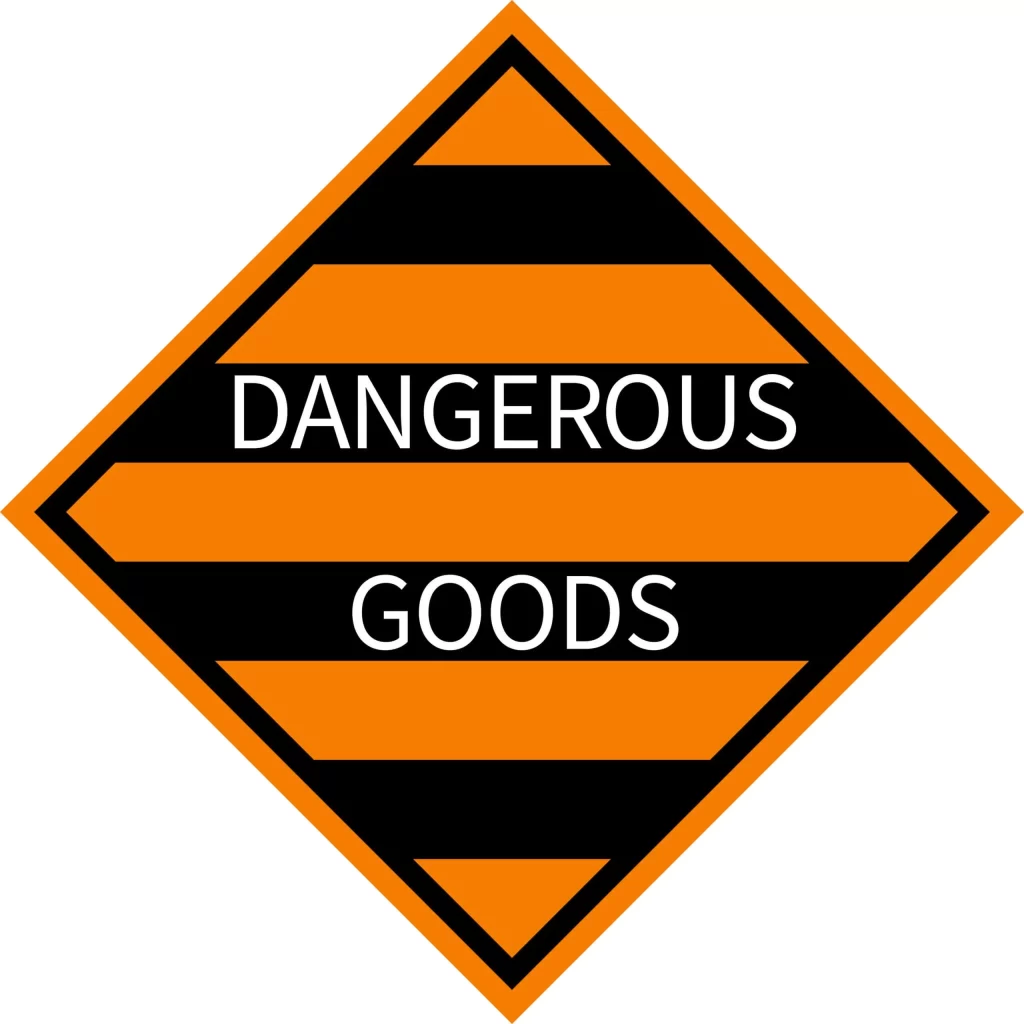
The United Nations developed a universal system for classifying, labelling, and packing dangerous goods. Those diamond-shaped hazard labels on containers? They are a universal language understood worldwide to prevent confusion.
Furthermore, the International Organisation for Standardisation (ISO) provides detailed best practices for packaging, storage, and transport. Adhering to these frameworks simplifies compliance, reduces risks, and enables seamless international dangerous goods shipping.
Dangerous Goods Training: Your First Line of Defense
Types of DG Training Required
Effective training is the foundation of safe operations. It typically falls into three categories:
General Awareness/Familiarization Training: The essential “DG 101” for anyone in your facility, covering basic hazards, classifications, and the importance of protocols.
Function-Specific Training: Tailored instruction for specific roles. Warehouse staff learn packing and storage protocols, while drivers are trained in transport regulations and emergency response.
Safety Training: Prepares your team for the “what-ifs” like spills, leaks, or fires. This includes proper use of PPE, containment procedures, and emergency protocols.
Who Needs Dangerous Goods Certification?
The short answer: everyone. From warehouse staff and dockworkers who handle packages directly to shipping clerks who manage documentation, every team member must understand their role in the chain of responsibility. Comprehensive training ensures safety is woven into the fabric of your daily operations.
Maintaining Compliance: Training Schedules
Regulations and best practices evolve. Recurrent training, typically required every two years (or sooner if regulations change), is mandatory to keep certifications valid and your team’s knowledge sharp. Prioritizing regular refreshers demonstrates your commitment to the highest safety standards.
There are nine primary hazard classes—from explosives to flammables to corrosives. Correctly classifying a material is the critical first step, as it dictates all subsequent handling, packing, and shipping requirements.
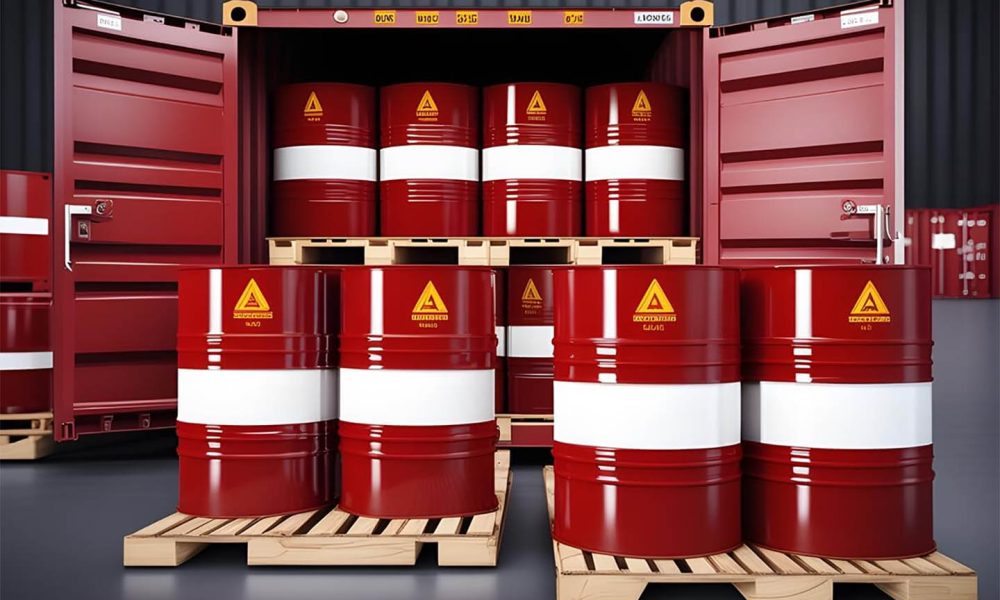
This is the core of physical safety. DG packaging isn’t just a box; it’s a tested, certified system designed to withstand transport conditions and contain its contents. Coupled with clear, regulation-compliant labels and markings, proper packaging provides instant visual communication to everyone in the supply chain, ensuring safe handling and emergency readiness.
Shipping papers, Dangerous Goods Notes (DGN), and Shipper’s Declarations for Dangerous Goods are your legal lifelines. This documentation provides authorities and emergency responders with precise details about the hazard, quantity, and required emergency procedures, ensuring a swift and effective response if needed.
Emergencies are unpredictable, but your response shouldn’t be. Well-documented and regularly practiced emergency protocols empower your team to act swiftly and confidently, containing incidents and minimizing harm to people, property, and the environment.
Proactive Risk Management for DG Operations
Conduct Regular Risk Assessments
A proactive approach is best. Schedule regular risk assessments to identify vulnerabilities—outdated equipment, training gaps, or inefficient storage layouts. This proactive checkup helps you fix small issues before they become major incidents.
Strengthen Your Internal Policies
Your internal DG policy manual should be a living document. Keep it updated with the latest regulations and company best practices. Clear, strong policies provide your team with the confidence and clarity they need to perform their jobs safely every day.
Meticulous Record-Keeping & Audits
Maintain impeccable records of training certifications, audits, incident reports, and shipping manifests. These records are not just for regulators; they are a powerful tool for identifying trends, improving efficiency, and demonstrating your commitment to safety during compliance audits.

Conclusion: Build a Legacy of Safety and Excellence
Mastering dangerous goods packing and shipping is a significant responsibility that protects your most valuable assets: your people, your reputation, and your business viability.
By investing in comprehensive training, enforcing strict packaging standards, and fostering a culture of continuous compliance, you do more than avoid fines—you build a legacy of reliability and safety that sets you apart in the competitive logistics landscape.
Ready to ensure your dangerous goods operations are fully compliant and secure? Contact our experts today for a consultation on your packaging, training, and shipping needs.
Copyright © 2024-2025. CITY MOON CARGO LLC All Rights Reserved.
* pictures displayed are only for illustrative purpose . All other logos and trademarks are the registered trademarks of the respective trademark owners