
Shipping cargo to Kuwait involves far more than booking space on a vessel or aircraft and waiting for it to arrive. Between customs regulations, port procedures, documentation requirements, and the practicalities of last-mile delivery inside the country, the process has many moving parts that can quickly become overwhelming for businesses unfamiliar with the market. This is where a freight forwarder becomes indispensable. The right partner can mean the difference between a smooth, cost-effective shipment and one plagued by delays, unexpected charges, and compliance headaches.
Kuwait’s position as a gateway to the wider Gulf region, combined with its strong import demand across construction, retail, oil and gas, and consumer goods sectors, makes it an attractive but complex market to ship into. Choosing a freight forwarder that understands this environment is critical. Below is a practical guide to help you evaluate and select the forwarder best suited to your Kuwait-bound cargo.
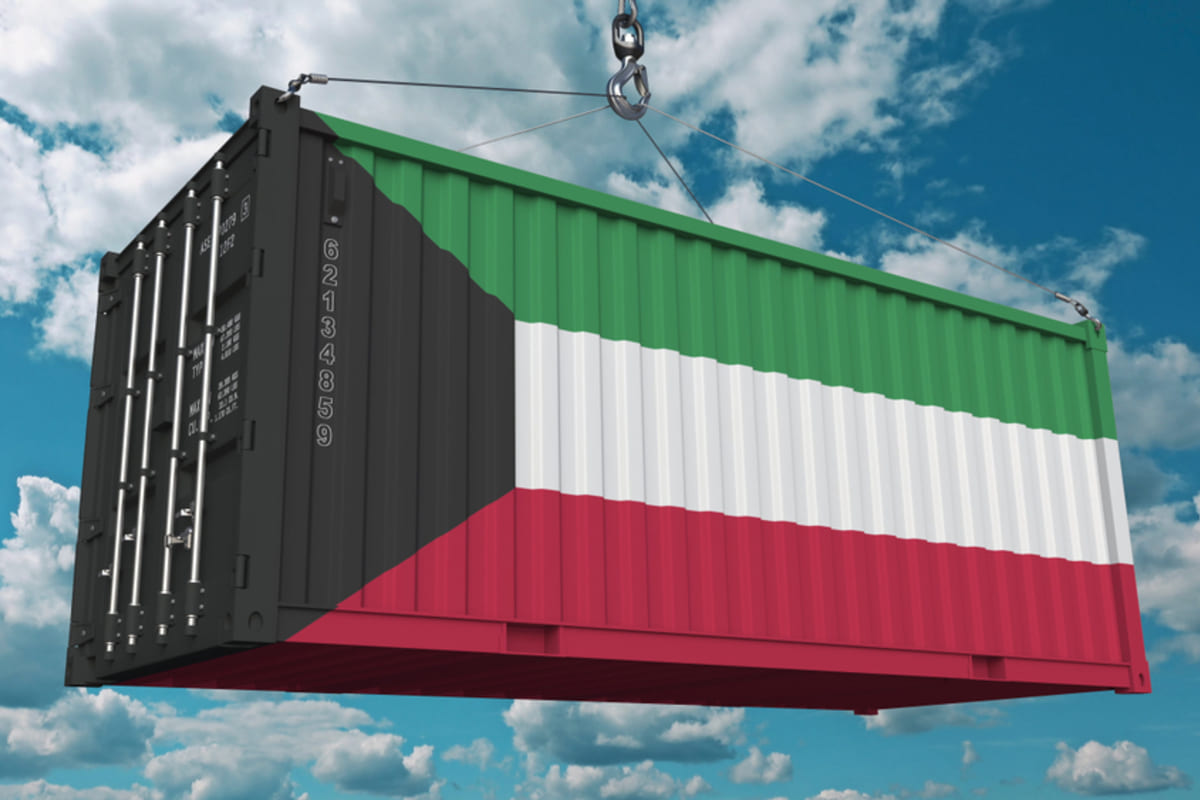
A freight forwarder acts as an intermediary between your business and the various transportation services needed to move goods internationally. This includes booking cargo space with carriers, arranging warehousing, handling customs clearance, managing documentation, and coordinating inland transportation once goods reach their destination. For shipments to Kuwait specifically, a forwarder should also be able to navigate Kuwait Customs procedures, understand the requirements of the Kuwait Ports Authority, and coordinate delivery to inland locations such as Shuwaikh, Shuaiba, or Kuwait International Airport’s cargo terminal.
Recognizing the full scope of what a forwarder should handle gives you a benchmark against which to measure any provider you’re considering.

Not all freight forwarders have equal familiarity with every destination. When shipping to Kuwait, look for a forwarder with a demonstrated track record in the region, ideally one with either a physical office, a trusted local agent, or a well-established partner network within Kuwait. This local presence matters because it directly affects how quickly issues get resolved. A forwarder with boots on the ground can liaise directly with customs officials, port authorities, and local trucking companies rather than relying on secondhand information from a distant office.
Ask prospective forwarders how many shipments they handle to Kuwait annually, which ports and airports they work with most frequently, and whether they have existing relationships with Kuwaiti customs brokers. Forwarders who can answer these questions confidently and specifically are generally more reliable than those who give vague, generic responses.
Legitimate freight forwarders should hold relevant industry certifications and licenses. Look for membership in recognized bodies such as FIATA (International Federation of Freight Forwarders Associations) or national freight forwarding associations in their country of operation. For sea freight, check whether they are registered with relevant shipping authorities; for air freight, IATA accreditation is a strong indicator of legitimacy.
Compliance matters even more when shipping to Kuwait, where customs documentation must be precise. Kuwait requires accurate certificates of origin, commercial invoices, packing lists, and in many cases a Kuwait-specific import license depending on the product category. A forwarder well-versed in these requirements will flag potential issues before they become costly delays or fines.
A freight forwarder’s value often lies in the breadth of their network. Ideally, your forwarder should offer multimodal capabilities sea freight, air freight, and land transportation so they can recommend the most efficient and cost-effective routing for your specific cargo. If you’re shipping heavy machinery, for instance, sea freight through Shuaiba Port may be the logical choice, while time-sensitive goods might be better suited to air freight through Kuwait International Airport.
Additionally, consider whether the forwarder offers value-added services such as warehousing, cargo insurance, packaging, and last-mile delivery. A forwarder that can manage the entire logistics chain end-to-end reduces the number of parties you need to coordinate with, which in turn reduces risk and communication gaps.
Customs clearance is often the single biggest bottleneck in shipments to Kuwait. Delays at this stage can result in demurrage charges, storage fees, and frustrated customers waiting on their goods. A capable freight forwarder should have deep knowledge of Kuwait Customs procedures, including HS code classification, applicable duties, VAT considerations, and any restricted or prohibited goods categories relevant to your shipment.
It’s worth asking potential forwarders for examples of how they’ve handled complex customs situations in the past, such as clearing goods that required special permits or resolving classification disputes. Their answers will reveal how much practical, hands-on experience they truly have.
Cost is naturally a major factor, but the cheapest quote isn’t always the best value. Request a detailed, itemized quote that breaks down freight charges, customs clearance fees, documentation costs, insurance, and any additional handling charges. Hidden fees are a common source of frustration in freight forwarding, so transparency at the quoting stage is a strong signal of how the forwarder will operate throughout the relationship.
When comparing quotes, weigh them against the forwarder’s reliability, communication quality, and track record, not just the bottom-line number. A slightly higher price from a forwarder with strong Kuwait expertise often proves more economical in the long run by avoiding delays and penalties.
Before committing, ask for references from other clients who have shipped similar cargo to Kuwait. Speaking directly with these references can reveal insights that marketing materials won’t, such as how the forwarder handles unexpected problems, how responsive their customer service team is, and whether they consistently meet delivery timelines.
Online reviews and industry forums can also provide a broader picture of a forwarder’s reputation, though it’s wise to verify claims through direct references whenever possible.
Modern freight forwarding should offer visibility into your shipment’s status at every stage. Ask whether the forwarder provides real-time tracking, regular status updates, and a dedicated point of contact for your account. Clear, proactive communication is especially valuable when shipping to Kuwait, where time zone differences and language considerations can otherwise slow down problem resolution.
Copyright © 2024-2025. CITY MOON CARGO LLC All Rights Reserved.
* pictures displayed are only for illustrative purpose . All other logos and trademarks are the registered trademarks of the respective trademark owners