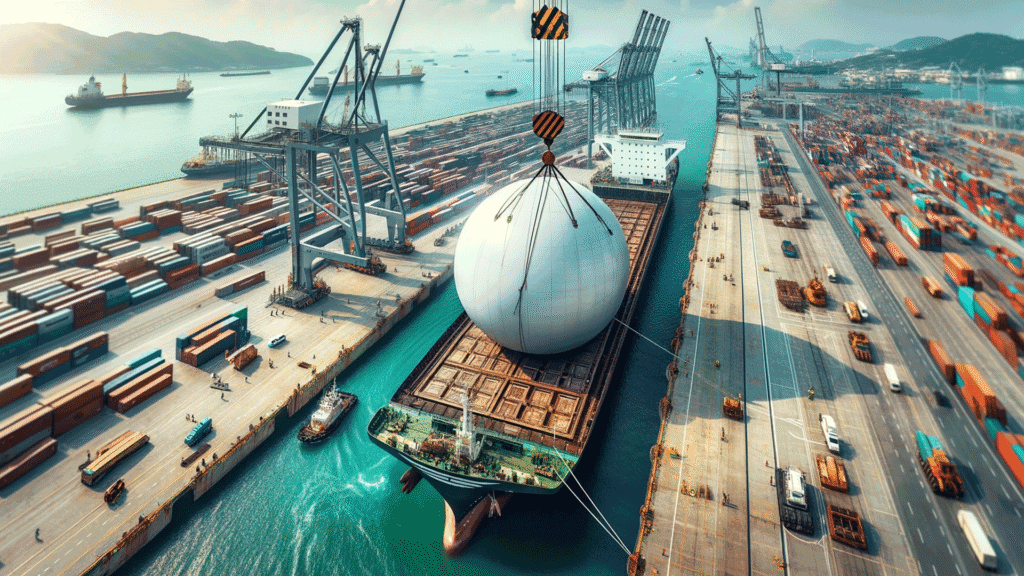
When people picture ocean freight today, most imagine towering stacks of standardized steel containers lined up on massive ships. But long before containerization reshaped global trade, and even now alongside it, another method of moving goods across the world continues to thrive: break-bulk cargo. Understanding what break-bulk shipping is, how it works, and why it still matters offers valuable insight into the diversity and resilience of the global logistics industry.
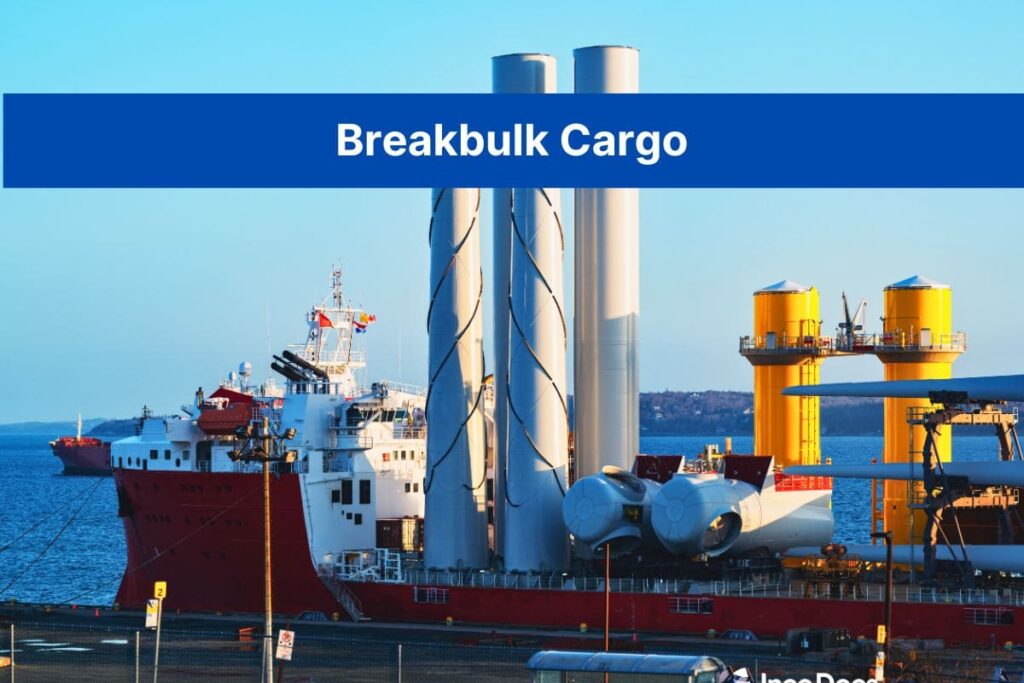
Break-bulk cargo refers to goods that are transported as individual units rather than being packed into intermodal containers or carried as loose bulk commodities like grain or coal. Instead, items are loaded, stowed, and unloaded piece by piece, often in crates, bags, barrels, pallets, drums, or bundles. The term “break-bulk” comes from the practice of “breaking down” the bulk of a ship’s cargo into separate pieces for loading and discharge.
This method predates the shipping container by centuries and was, in fact, the primary way goods moved across oceans until the mid-20th century. Dockworkers would manually load individual items into a ship’s hold, a labor-intensive process that gave rise to entire port cities built around break-bulk handling.
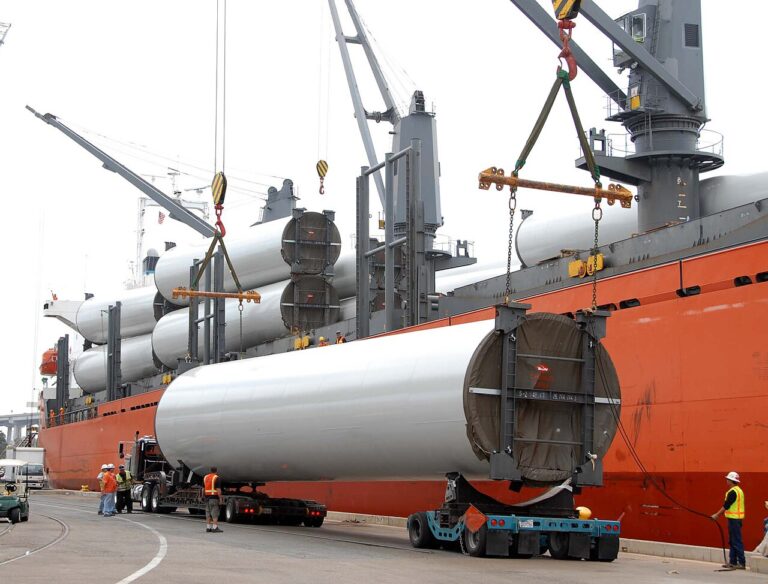
Break-bulk cargo covers an enormous range of products, but it typically includes goods that are too large, too heavy, oddly shaped, or too specialized to fit inside a standard container. Common examples include:
Because these items vary so dramatically in size and shape, break-bulk shipping demands specialized handling equipment, including cranes, forklifts, and sometimes custom rigging systems designed for a single oversized load.
‘s worth clarifying how break-bulk differs from its two close cousins in the shipping world.
Bulk cargo refers to unpackaged commodities loaded directly into a ship’s hold — think crude oil, coal, or grain. These goods are homogeneous and measured by volume or weight rather than by individual units.
Containerized cargo, by contrast, is packed into standardized steel boxes (20-foot or 40-foot containers) that can be seamlessly transferred between ships, trains, and trucks without ever opening the box. This standardization is what made containerization so revolutionary; it slashed loading times, reduced theft and damage, and dramatically cut labor costs.
Break-bulk cargo sits in its own category: unlike bulk commodities, it consists of discrete, identifiable units; unlike containerized cargo, those units aren’t housed inside a standardized box. Each piece must be handled, secured, and stowed individually, which makes the process more time-consuming and labor-intensive than container shipping.
Given the efficiency of containerization, one might assume break-bulk shipping has become obsolete. In reality, it remains indispensable for several reasons.
Oversized and heavy cargo: Many industrial and infrastructure components wind turbine blades, transformers, refinery equipment are simply too large or too heavy to fit inside a container. Break-bulk vessels, and specifically heavy-lift ships equipped with powerful cranes, are essential for moving this equipment safely.
Project cargo logistics: Large-scale construction and energy projects often require the shipment of oddly shaped or one-off components that don’t lend themselves to standardized packaging. Break-bulk carriers specialize in coordinating these complex, high-value shipments, often involving detailed engineering studies to ensure safe loading and transport.
Ports without container infrastructure: Not every port in the world is equipped with the container cranes, yard space, and infrastructure needed for containerized shipping. Break-bulk vessels can call at smaller or less developed ports, using onboard cranes and simpler unloading methods, making them vital for trade with regions that lack modern port facilities.
Flexibility: Break-bulk shipping can accommodate a much wider variety of cargo types and sizes in a single shipment, which is particularly useful for exporters moving mixed cargo loads that don’t justify a full container or bulk carrier.
Despite its continued relevance, break-bulk cargo comes with distinct challenges. The manual, piece-by-piece handling process is slower and more labor-intensive than containerized loading, which increases port time and costs. It also introduces greater risk of cargo damage, theft, and loss since goods aren’t sealed inside a protective container. Proper stowage and securing are critical, as improperly lashed break-bulk cargo can shift during rough seas, posing safety risks to the vessel and crew.
Additionally, break-bulk shipments often require more detailed documentation and specialized insurance coverage, given the higher value and vulnerability of the cargo involved. Freight forwarders and logistics providers handling break-bulk shipments typically need specialized expertise in rigging, lashing, and heavy-lift operations that differs significantly from standard container logistics.
As global infrastructure development continues, particularly in renewable energy, with massive wind turbine components, and in emerging markets building out ports, power grids, and transportation networks, demand for break-bulk and heavy-lift shipping is expected to remain steady. While containerization will continue to dominate consumer goods and general cargo, break-bulk shipping fills an irreplaceable niche for oversized, heavy, and specialized cargo that container ships simply cannot accommodate.
Copyright © 2024-2025. CITY MOON CARGO LLC All Rights Reserved.
* pictures displayed are only for illustrative purpose . All other logos and trademarks are the registered trademarks of the respective trademark owners